
Beneficial owners / Persons that can exercise the voting rights at their own discretion |
Registered Shares |
Bearer Shares |
Total Purchase Positions |
|---|---|---|---|
Paul Hälg, Hanspeter Fässler, Claude R. Cornaz, Jürg Fedier, Gabi Huber, Jens Breu |
63.584 % |
14.531 % |
78.115 % |
UBS Fund Management (Switzerland) AG1 |
0 % |
3.412 % |
3.412 % |
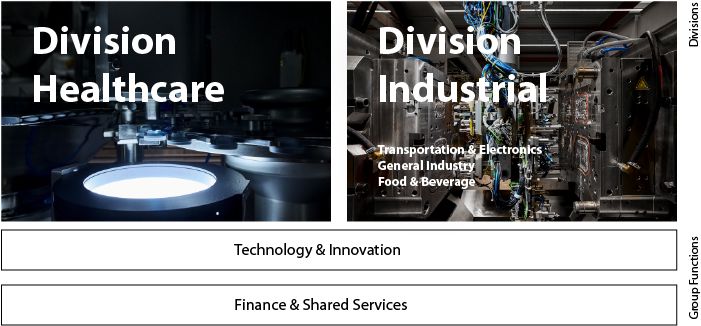
Additional information on the Group structure can be found in the following sections of the Annual Report and on our website:
Segment reporting (Financial Report 2025, page F17)
List of subsidiaries and investments (Financial Report 2025, page F34)
3.2 Capital structure
Composition of share capital
At December 31st 2025, in CHF
| 22'000'000 registered shares of CHF 0.01 each | 220'000 |
| 12'600'000 bearer shares of CHF 0.05 each | 630'000 |
| Total ordinary share capital | 850'000 |
| Authorised additional share capital | none |
| Authorised contingent share capital | none |
| Participation certificates | none |
| Profit-sharing certificates | none |
| Registration and voting restrictions | none |
| Opting-out and opting-up provisions | none |
As of December 31, 2025, Dätwyler Holding Inc. has issued two types of shares: registered shares and bearer shares. Each share, regardless of par value, entitles its holder to one vote. All shares carry equal dividend rights in proportion to their respective par values, subject to declaration by the Annual General Meeting.
Changes in share capital
The share capital remained unchanged during the 2025, 2024 and 2023 financial years.
Convertible bonds and share options
As at December 31, 2025, Datwyler did not have any outstanding convertible bonds or options.
3.3 Internal organization
Board of Directors
None of the Directors have executive functions in the Group and none of the Directors or companies and organisations which they influence have any business relationship with the Datwyler Group.
Two members of the Board of Directors are former Datwyler CEOs: Chairman Paul Hälg headed the company from 2004 to 2016 and Director Dirk Lambrecht from 2017 to 2024. No other member of the Board ever served in executive functions for the Datwyler Group. No Director holds cross-directorships with other Directors through involvement in other listed companies.
Directors are elected individually and for a term of office extending until completion of the next Annual General Meeting. They are eligible for re-election for further periods, with no limit on the number of terms they may serve. Each class of shares is entitled to nominate at least one representative to the Board.
Main responsibilities and operation of the Board of Directors
The Board of Directors organises itself. Its main responsibilities are defined in Art. 716a of the Swiss Code of Obligations. In order to fulfill these responsibilities efficiently, the Board of Directors may, pursuant to the Rules of Organisation and Business Conduct of Dätwyler Holding Inc., appoint Committees from among its members to address specific matters. There are currently two Committees: the Audit Committee and the Nomination and Compensation Committee.
In accordance with the Rules of Organisation and Business Conduct, the Board of Directors holds at least five regular meetings a year, each lasting between half a day and one full day. A two-day annual strategy workshop is held to review and develop the strategy. The strategy workshop is usually combined with a visit to one of the locations. Special Board of Directors meetings are held when necessary.
The Board of Directors has a quorum when at least a majority of its members is present. Its resolutions are passed by a majority of the members present. The Chairman is also a voting member and has the casting vote in the event of a tie. Resolutions may also be adopted by telephone conference or by circular resolution. In 2025, the Board of Directors met for six meetings, with each meeting lasting at least half a day. The CEO and CFO and the other members of the Executive Committee were present at each meeting for the discussion of items relating to the Group’s business. In 2025, no external specialists were called in.
Meeting attendance 2025
| Paul Hälg | 6/6 |
| Hanspeter Fässler | 6/6 |
| Jens Breu | 6/6 |
| Claude Cornaz | 5/6 |
| Jürg Fedier | 6/6 |
| Britt Hendriksen 1 | 4/6 |
| Martin Hirzel | 6/6 |
| Gabi Huber | 6/6 |
| Dirk Lambrecht | 6/6 |
Newly elected to the Board at the Annual General Meeting 2025.
The Chairman in consultation with the CEO and CFO establishes the agenda for Board of Directors meetings. Any Director may request that an item be placed on the agenda or that a special meeting be convened. The Board of Directors appoints a secretary. Directors receive meeting materials and information sufficiently in advance of meetings to allow them to prepare for discussion of each item.
Depending on the nature of the business to be transacted, the Chairman may invite members of the Executive Committee to provide information at Board of Directors meetings and participate in an advisory capacity. The Board of Directors strives to reach decisions unanimously, wherever possible.
Operation of the Committees
The Committees have Charters specifying their responsibilities. In addition to these written terms, the Audit Committee has defined its tasks and responsibilities in a detailed checklist. The Committees prepare and submit proposals for decision-making to the Board of Directors. They meet at the call of their chairmen as often as necessary to discharge their duties, but at least once a year. Their meetings usually last half a day. All Directors, Executive Committee members and the external auditors may request a meeting of the Committees. Depending on the nature of the business to be transacted, meetings are attended by the CEO, CFO or, if required, a representative of the external auditors or a specialist in an advisory capacity.
The chairman of the Committee in agreement with the CEO and CFO establishes the agendas for Committee meetings. Committee members receive meeting materials and information sufficiently in advance of meetings to allow them to prepare for discussion of each item. At least two members must be present to constitute a quorum. The Committees pass their resolutions by an absolute majority of the votes cast. In the event of a tie, the chairman has the casting vote. The Committees maintain a record of their decisions and recommendations in minutes submitted to the Board of Directors and report the results of their activities at the next Board of Directors meeting.
Audit Committee
The Audit Committee consists of at least three Directors, each of whom has experience in finance and accounting, who are appointed by the Board of Directors from among its members for a period of one year. The Audit Committee appoints its chairman. As of December 31, 2025, the members of the Audit Committee are: Jürg Fedier (Chairman), Britt Hendriksen (public shareholders’ representative), Martin Hirzel (public shareholders’ representative) and Gabi Huber. In 2025, the Audit Committee held four meetings, each of which was attended by the CEO and CFO.
The reporting of the internal audit is a standard agenda item at the meetings of the Audit Committee. The representatives of the external auditors attended all the meetings for the discussion of selected items. In 2025, no other external specialists were called in.
Responsibilities of the Audit Committee include:
To ensure a comprehensive and effective audit program for Dätwyler Holding Inc. and the Datwyler Group.
To comment on the annual and consolidated financial statements.
To comment on the audit plan and results of audits.
To receive recommendations from the external auditors, discuss the recommendations with the Executive Committee and provide a summary for the Board of Directors.
To present the Executive Committee’s proposal for the appointment of Dätwyler Holding Inc.’s external auditors to the Board of Directors for consideration by the Annual General Meeting of Shareholders
Meeting attendance 2025
| Jürg Fedier | 4/4 |
| Britt Hendriksen 1 | 3/4 |
| Martin Hirzel | 4/4 |
| Gabi Huber | 4/4 |
Newly elected to the Board at the Annual General Meeting 2025.
Nomination and Compensation Committee
The responsibilities of the Nomination and Compensation Committee are set out in section 4.1 “Remuneration governance framework” of the Remuneration Report.
Division of responsibilities between the Board of Directors and Executive Committee
The authority and responsibilities of the Board of Directors and Executive Committee are set out in the Rules of Organisation and Business Conduct. These rules are updated on a regular basis. They describe the duties and responsibilities of the Board of Directors and define the duties and responsibilities delegated to the Executive Committee, presided over by the CEO. In addition to the non-delegable functions reserved for the Board of Directors by law, the Rules of Organisation and Business Conduct provide that the following duties, among others, remain with the Board of Directors:
To determine the principles of corporate strategy.
To make decisions on financial policy.
To adopt resolutions on the establishment of new business units and discontinuation of existing ones.
To adopt resolutions on the setting up of new sites and closure of existing ones.
To adopt resolutions on the acquisition and disposal of equity holdings.
To adopt resolutions on the acquisition, encumbrance and disposal of land and buildings.
To review the risk management system.
As a rule, the Board of Directors approves major projects it deems expedient together with the rolling forecast. For urgent capital expenditures not included in the budget, levels of authority are defined and a return on investment analysis must be prepared. Capital expenditures exceeding CHF 3 million must be approved by the Board of Directors.
The policies set out in the Rules of Organisation and Business Conduct are supplemented and defined by an Investment Manual for all business and functional areas.
Information and control systems for monitoring the Executive Committee
The Board of Directors has an internal control system in place to monitor and control the Executive Committee. This is based on an institutionalised, annual management process cycle, of which the key elements available to the full Board of Directors are as follows:
Monthly report with division and Group consolidation: actual and forecast figures, including variance analyses.
Interim and annual report.
Review and approval of rolling forecasts per end of February, June and October. The February forecast covers the current financial year only. The June and October forecast also cover the full subsequent financial year. Furthermore, review and approval of the three-year strategic plan.
Annual review and approval of the updated Group and division strategies.
Uniform Group-wide management system with integrated risk evaluation for strategic projects.
Special reports on major items of capital expenditures, acquisitions and alliances and other significant non-routine transactions.
Inclusion of Executive Committee members at Board of Directors and Committee meetings.
In addition to these institutionalised information and control systems, the Chairman of the Board of Directors and the CEO engage in regular dialogue regarding all important business. In addition, the CEO and the CFO are required to inform the Chairman of the Board of Directors without delay of any important unusual events or developments.
Internal Audit
Internal Audit reports to the Audit Committee and is under the direct administrative line management of the CFO. Every year it draws up a risk-based audit plan, which is approved by the Audit Committee. Internal Audit conducts thematic audits and site audits. To optimise cooperation, the Head of Internal Audit meets regularly with the representatives of the external auditors.
Internal Audit verifies compliance with the division of responsibilities and monitors the internal control system, risk management and the efficiency of the structures and processes. The findings and recommendations of Internal Audit are recorded in written reports.
Following completion of the audit, the findings are reviewed and discussed with the local management. In coordination with Internal Audit, the local management defines specific corrective measures and a timetable for implementation. The report is submitted to the Audit Committee. Internal Audit also ensures that all discrepancies raised by its audits are addressed within the prescribed period and submits a report on such matters to the Executive Committee and the Audit Committee.
3.4 Risk management and compliance
Risk Management
Datwyler maintains systematic risk management overseen by the Board of Directors. The Head of Internal Audit coordinates Group-wide risk management, supported by risk owners in divisions and Group Functions. Risks are continuously identified and assessed. Division management reports significant risks to the Executive Committee and the Board of Directors, with findings recorded in risk management software. The CFO and Head of Internal Audit conduct annual reviews to ensure consistent risk treatment across divisions. A Business Continuity Process operates at all production sites, addressing natural disasters, fires, disease outbreaks, cyberattacks, and other threats based on ISO 31000.
Risks fall into four categories: strategic, operational, financial, and compliance. Risks are assessed by probability and potential loss. Division management develops mitigation measures, monitored through continuous risk evaluation. Sustainability risks are assigned to appropriate categories based on their impact at Group, division, and site levels. More information about sustainability risk management is available in the sustainability report.
Code of Conduct and whistleblowing reporting channel
Datwyler’s ethically sound business practices are supported by its zero tolerance objectives. The Group works proactively to prevent cases of corruption or justified legal action against Group companies. This is based on the Code of Conduct and policies on anti-fraud and anti-money laundering. A digital whistleblowing channel is available to employees and external stakeholders.
Details of the whistleblowing reporting channels are displayed at all sites, and this function is reviewed on a regular basis during internal audits. Whistleblower reports are forwarded directly to the internal audit department where each report is treated confidentially in accordance with the relevant data protection provisions and investigated conscientiously. To help promote ethically sound collaboration, Datwyler also offers its suppliers an email address for code of conduct issues, which is also managed by the Group’s internal audit department. No reports were made during the reporting year.
3.5 Board of Directors and Executive Committee
Members of the Board of Directors
As at December 31, 2025, the Board of Directors comprised nine Directors.
The Directors of Dätwyler Holding Inc. are – with the exception of the representative of the public shareholders – at the same time Directors of Pema Holding AG. In addition, they are shareholders and Directors of Dätwyler Führungs AG, which is the successor to the Dätwyler family as owner of Pema Holding AG, which is the majority owner of Dätwyler Holding Inc. See substantial shareholders.
Pursuant to Article 14 of the Articles of Association, each member of the Board of Directors may hold no more than four mandates that are comparable to board of directors, advisory board or executive committee mandates in listed companies and no more than ten such mandates in non-listed companies.
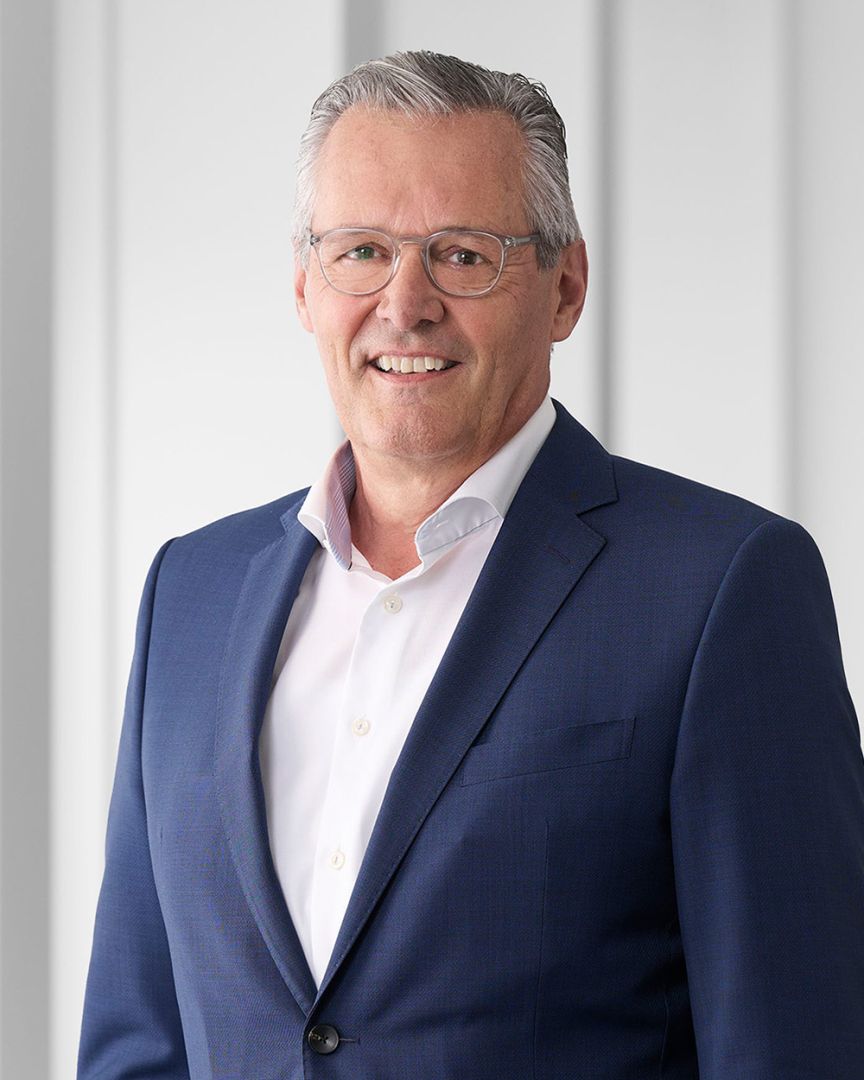
1954, Swiss
Chairman – date of first election: 2017
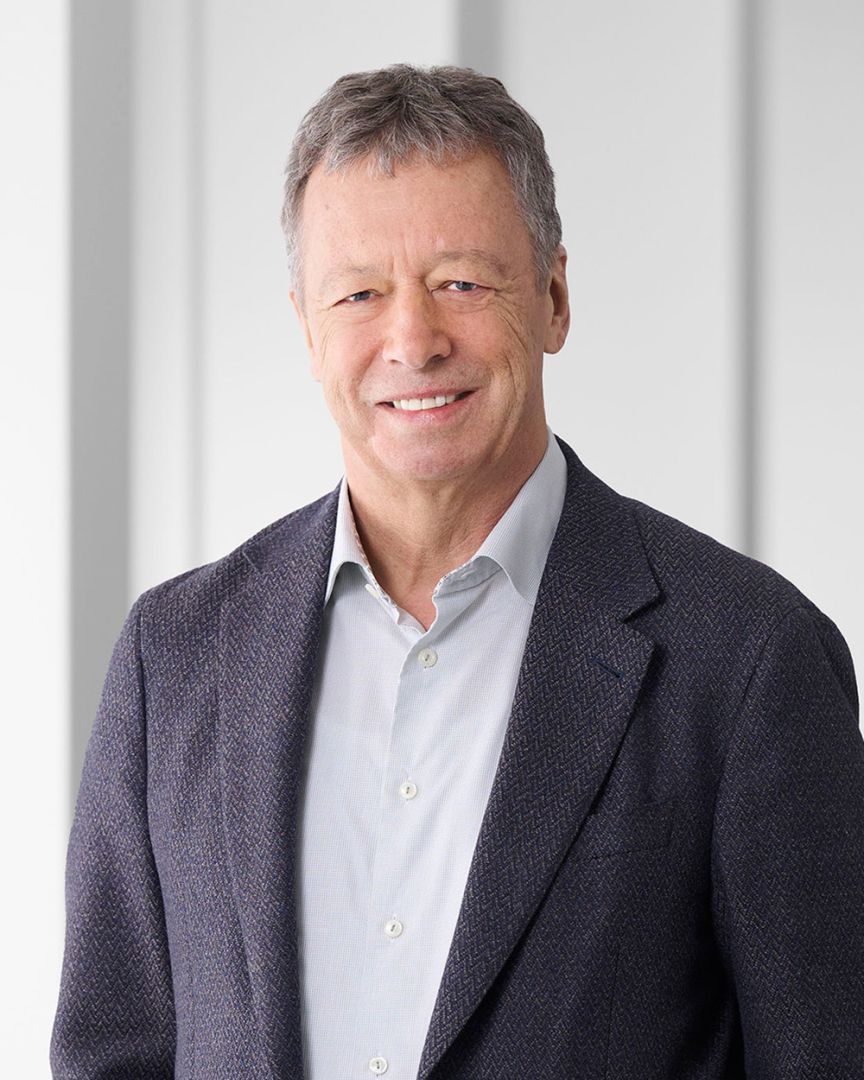
1956, Swiss
Vice Chairman / Chairman of the Nomination and Compensation Committee – date of first election: 2004
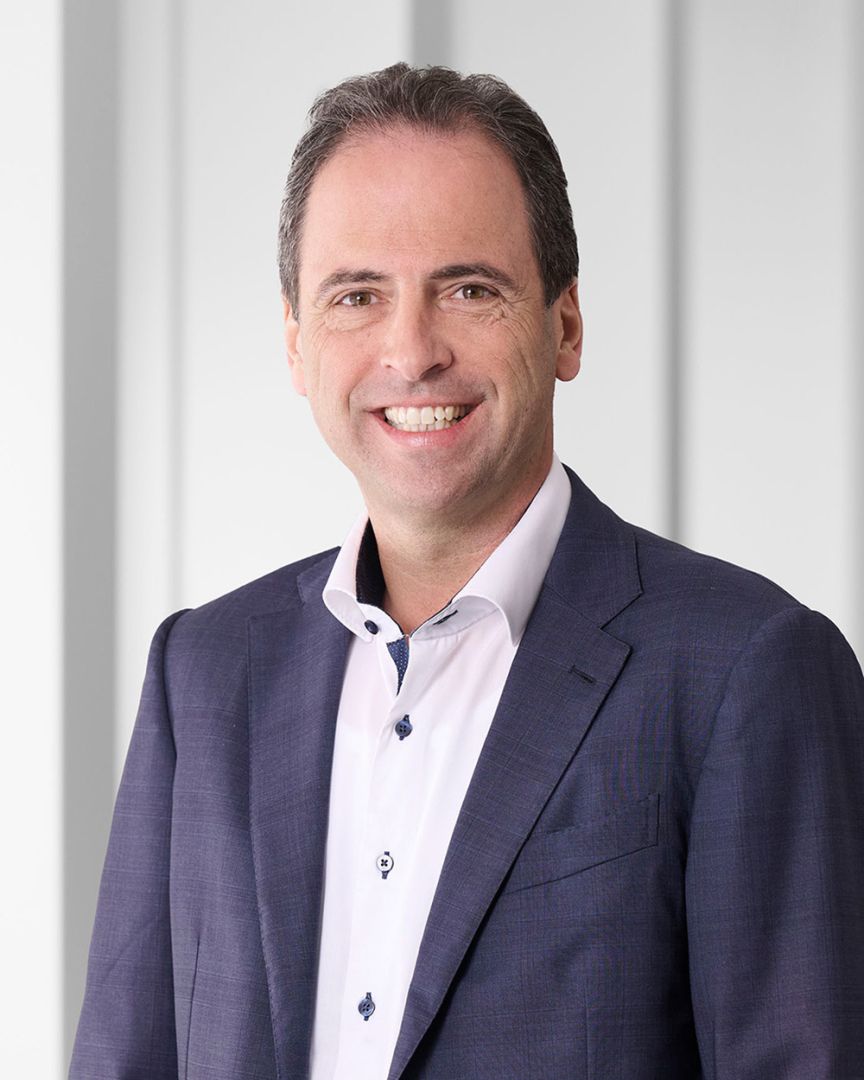
1972, Swiss
Director / Member of the Nomination and Compensation Committee – date of first election: 2019
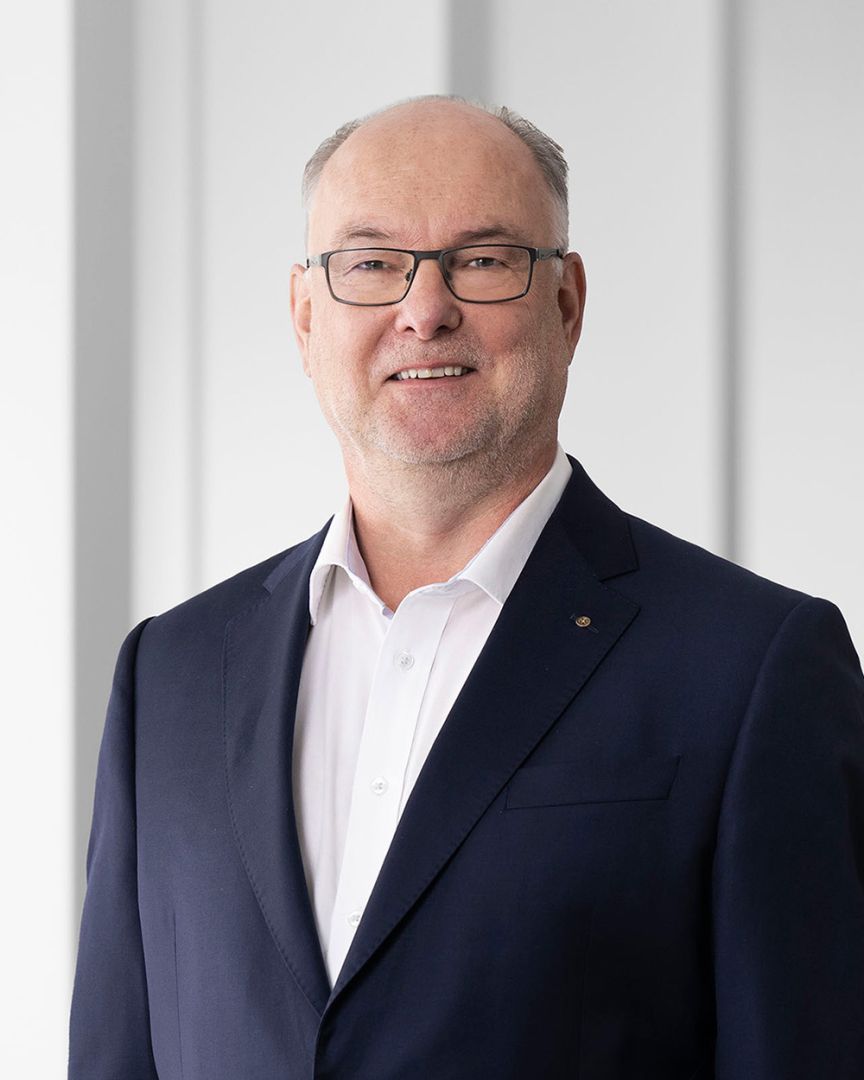
1961, Swiss
Director / Member of the Nomination and Compensation Committee – date of first election: 2018
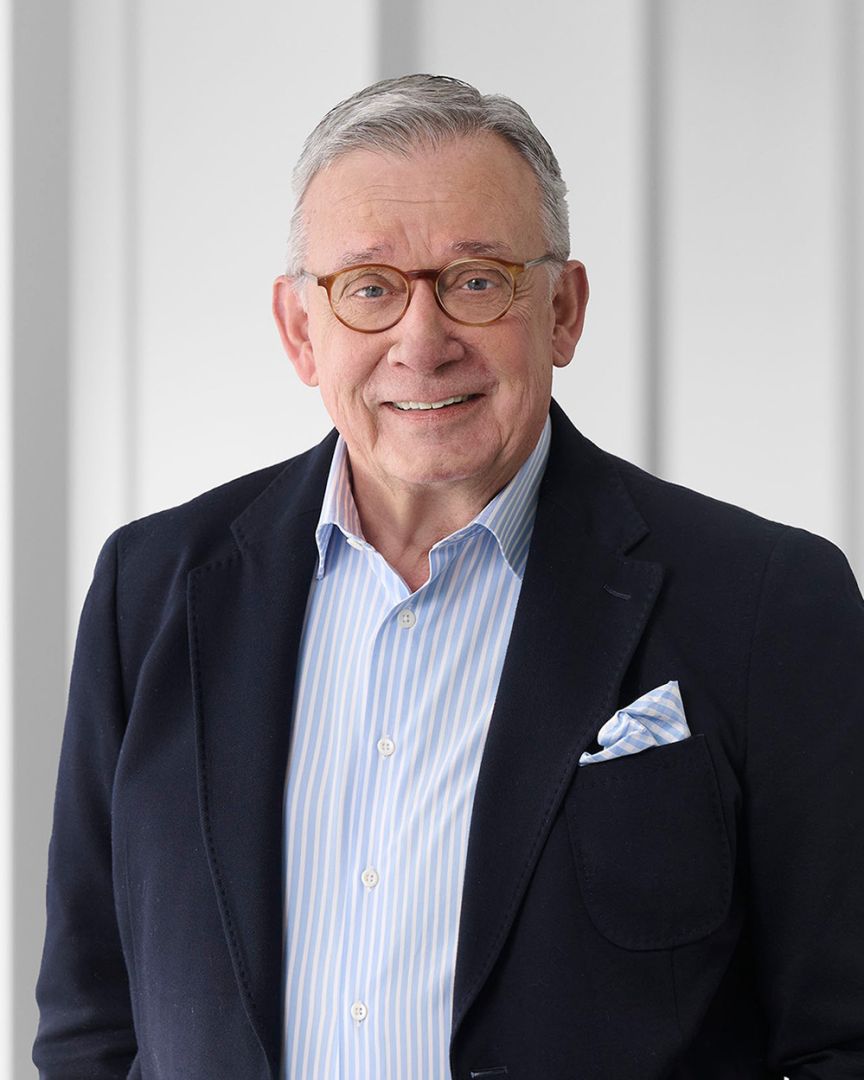
1955, Swiss
Director / Chairman of the Audit Committee – date of first election: 2015
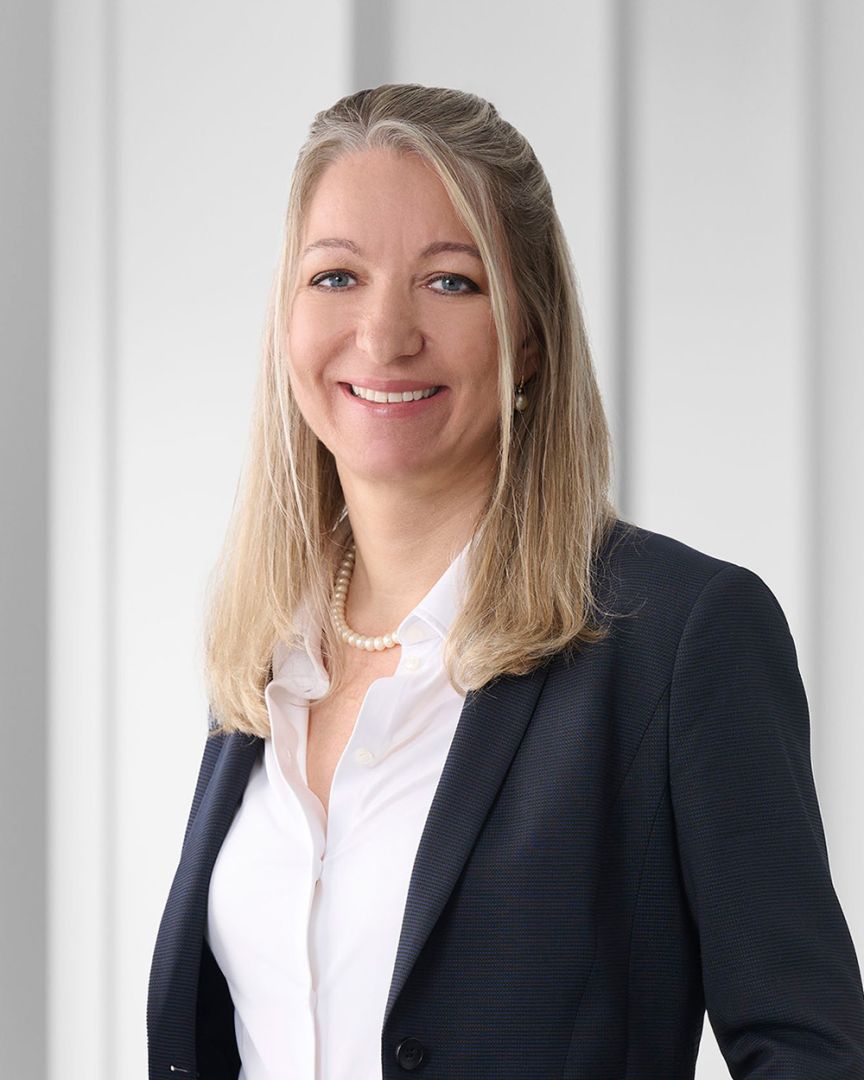
1973, Danish
Director / Public shareholder’s representative / Member of the Audit Committee – date of first election: 2025
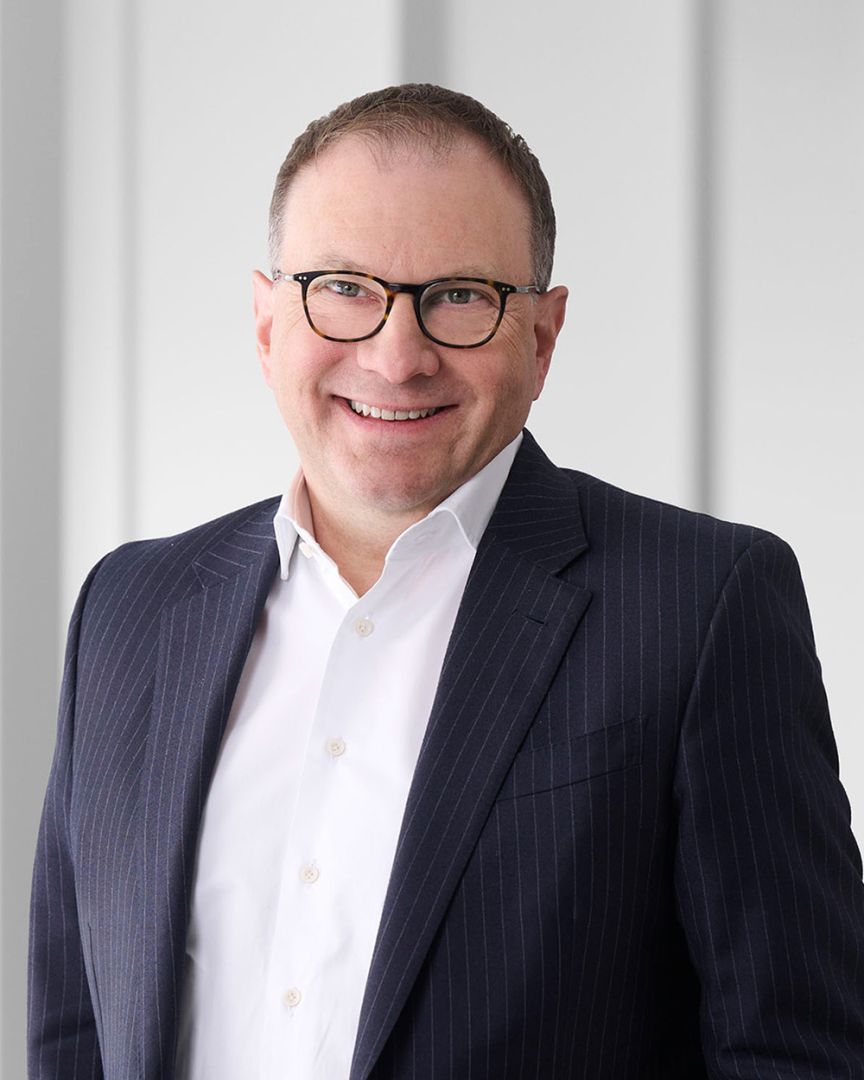
1970, Swiss
Director / Public shareholders’ representative / Member of the Audit Committee – date of first election: 2021
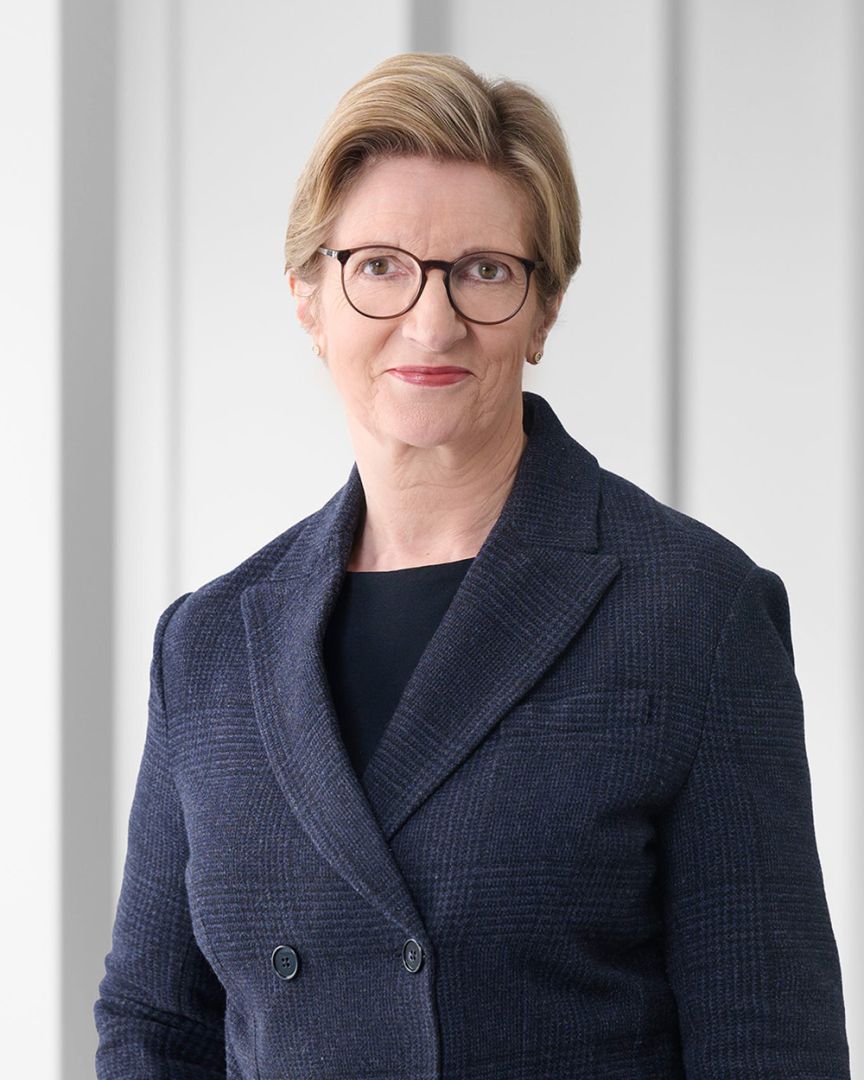
1956, Swiss
Director / Member of the Audit Committee – date of first election: 2013
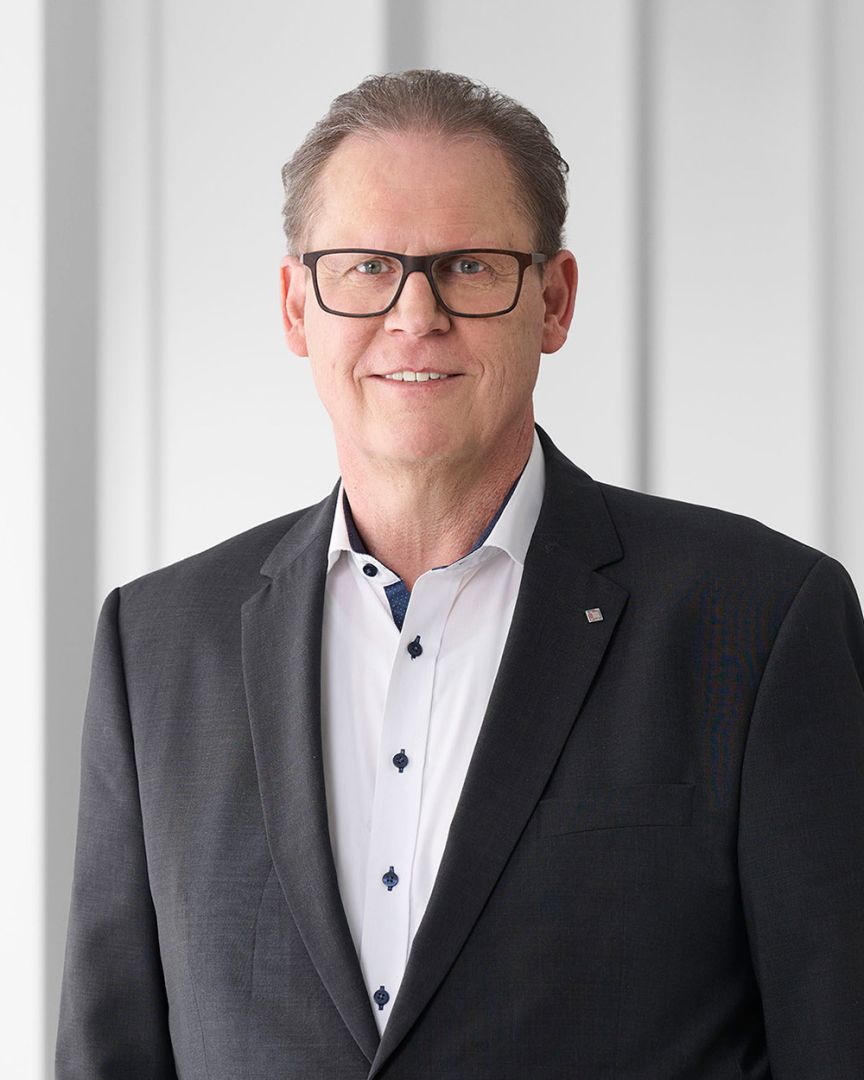
1960, German/Swiss
Director / Public shareholders’ representative – date of first election: 2024

Changes in the Board of Directors in the reporting year
At the Annual General Meeting 2025, Britt Hendriksen was elected as a new Director and representative of the public shareholders.
Significant events after balance sheet date
At the 2026 Annual General Meeting, Jürg Fedier and Gabi Huber will retire from the Board of Directors. The other existing Directors will be available for re-election. In addition, Stephanie Bregy und Christian Holzgang will be proposed for election as new Directors.
Members of the Executive Committee
Pursuant to Article 19 of the Articles of Association, each member of the Executive Committee may hold no more than two mandates that are comparable to board of directors or advisory board mandates in listed companies and five mandates in unlisted companies.
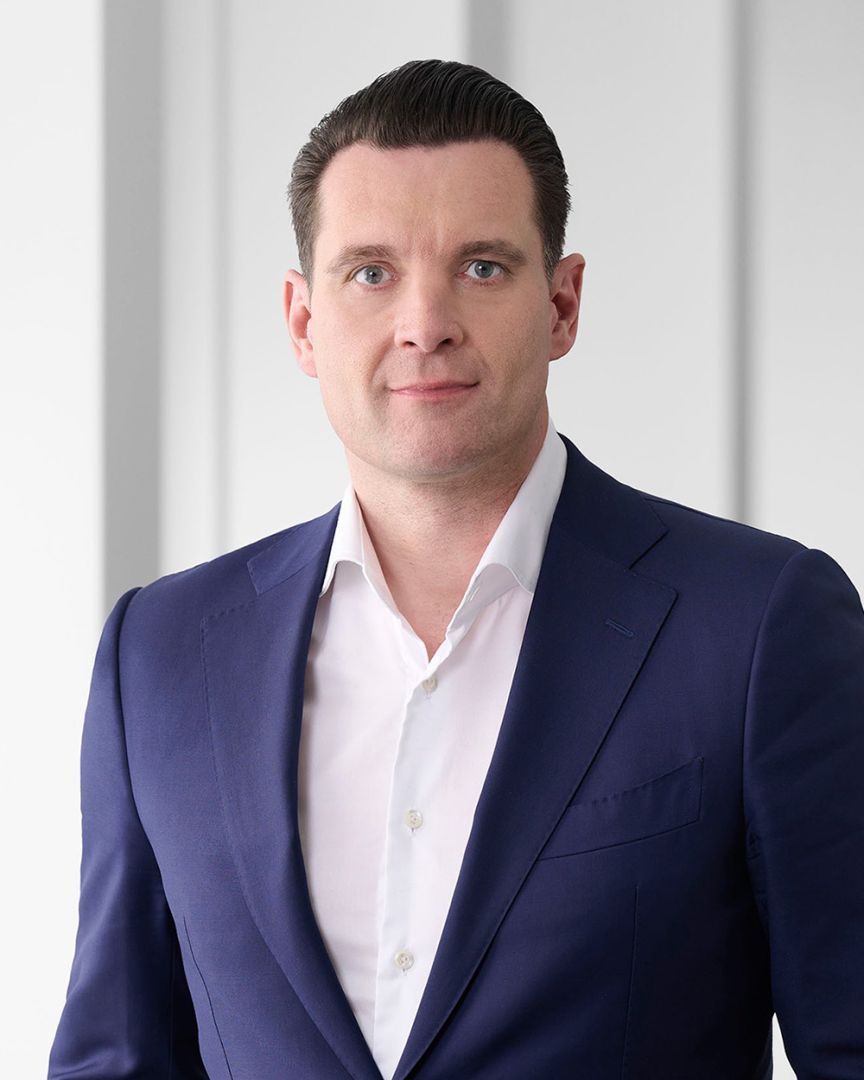
1977, German
Chief Executive Officer (CEO)
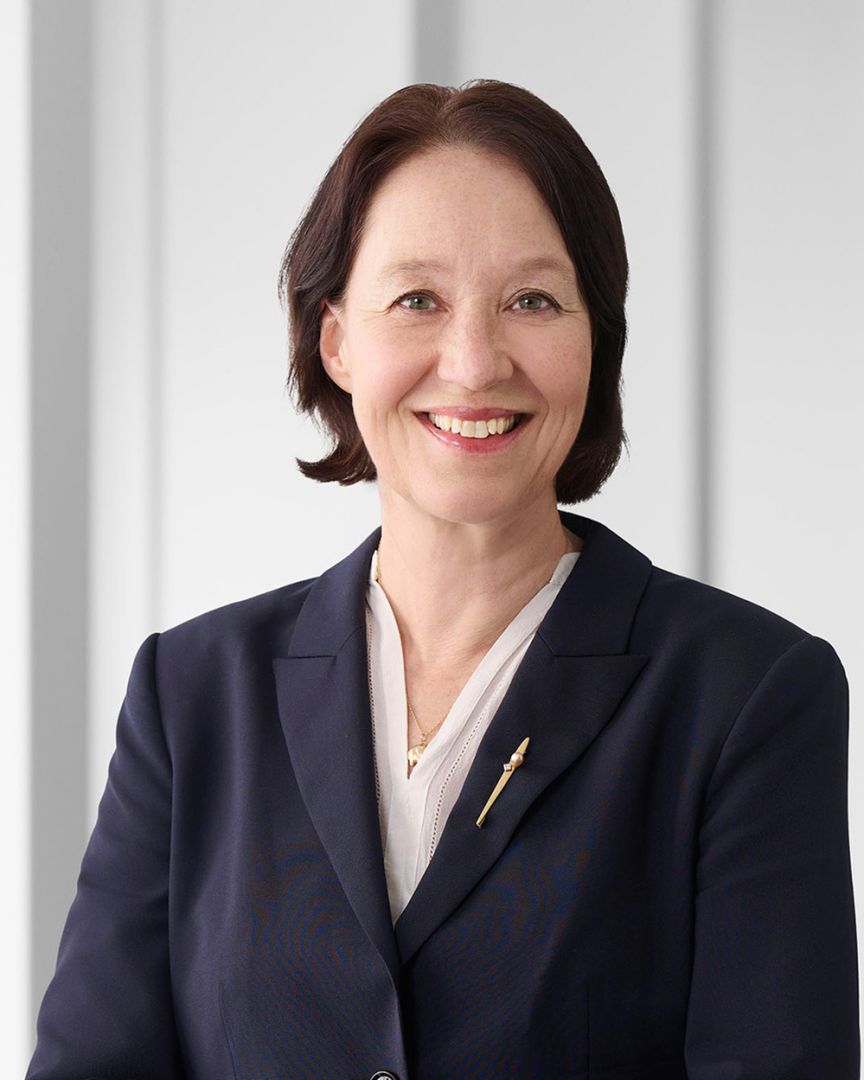
1964, Dutch
Chief Financial Officer (CFO)
Head of Group Function Finance & Shared Services
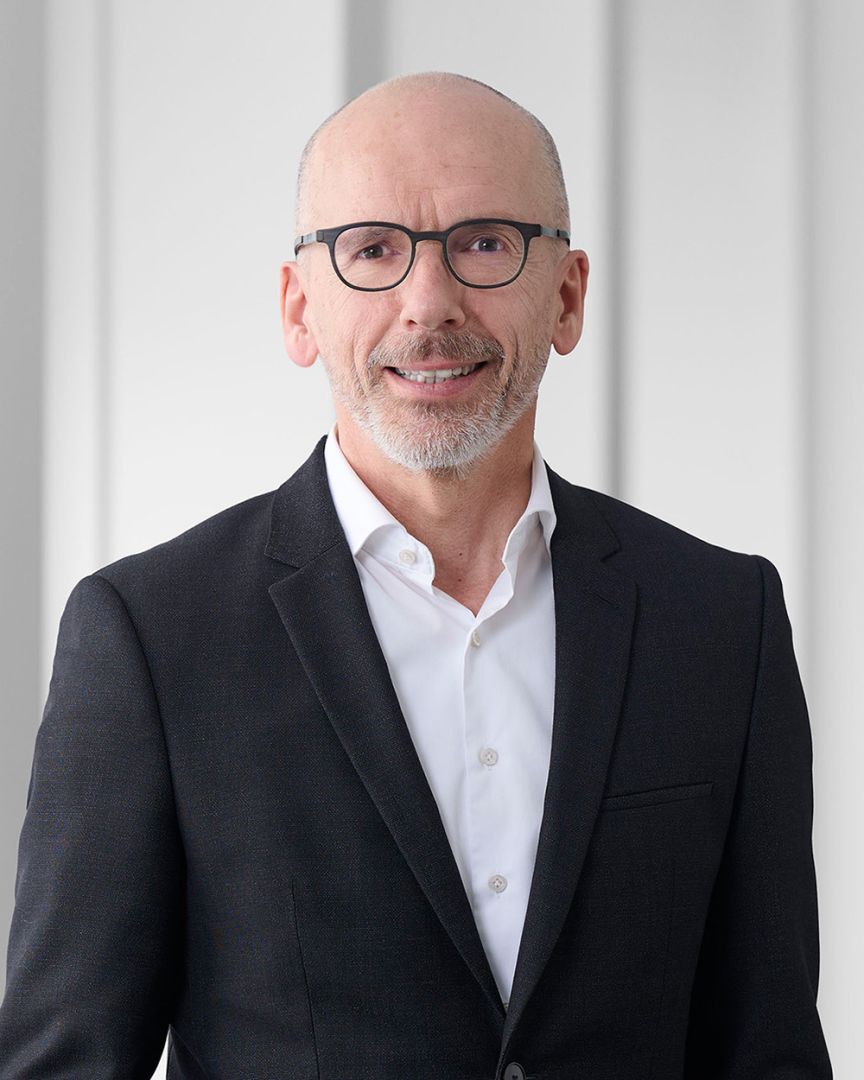
1963, Belgium
Chief Operating Officer (COO)
Head of Division Healthcare
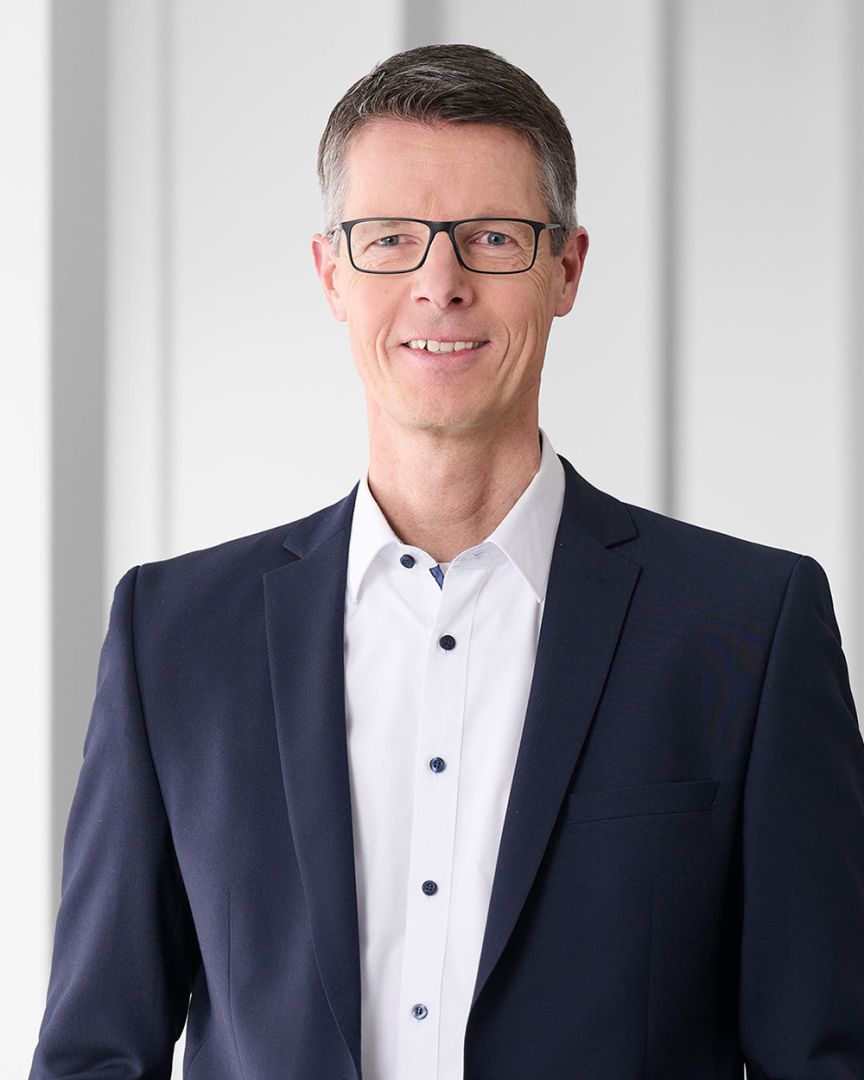
1969, German
Chief Operating Officer (COO)
Head of Division Industrial
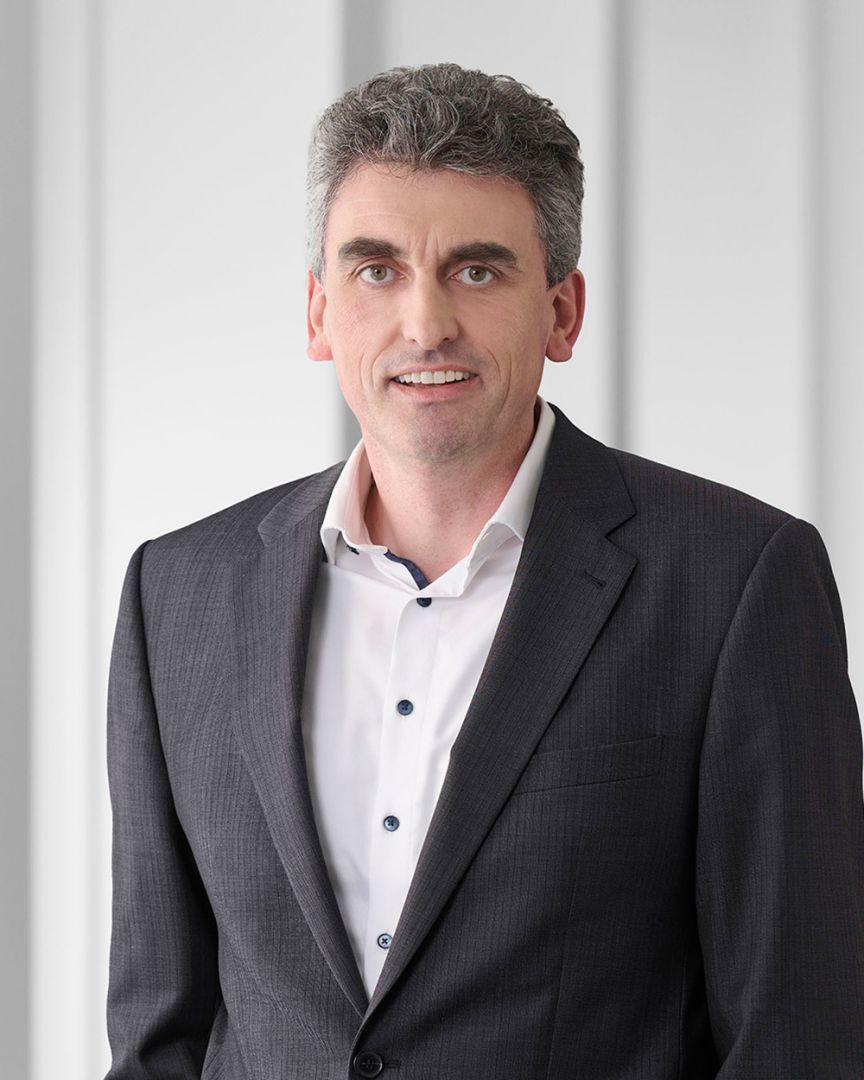
1975, German/Swiss
Chief Technology Officer (CTO)
Head of Group Function Technology & Innovation
Changes in the Executive Committee in the reporting year
In the 2025 reporting year, Michael Höller joined the Datwyler Executive Management on 1 February 2025 and took over as head of the Industrial Division. Previously, this division was managed directly by CEO Volker Cwielong. As of 30 June 2025, Sabrina Gérard, Head of the Group Sustainability and Operational Excellence function, has left Datwyler. Responsibilities for sustainability and operational excellence have been integrated into existing roles across the organization.
3.8 Statutory auditors
KPMG has been the statutory auditor of Dätwyler Holding Inc. since the 2018 Annual General Meeting. The statutory auditor is appointed by the Annual General Meeting of Shareholders for a period of one year. The auditor in charge has been in this role since 2025. Some of the Group companies are audited by other audit firms.
Fees charged in 2025 by the statutory and other auditors
In CHF
| Statutory auditors | Other auditors | |
|---|---|---|
Auditing services, total |
736'000 |
164'000 |
Additional services, total |
1'000 |
16'000 |
Tax consulting |
1'000 |
14'000 |
Legal consulting |
– |
1'000 |
Other services |
– |
1'000 |
Representatives of the statutory auditors attend all meetings of the Audit Committee for the discussion of certain items. At those meetings, the statutory auditors present a written report on the progress of their work. The core element of the auditors’ reporting is the annual audit report with recommendations to the Audit Committee.
The supervisory body for the external statutory auditors is the Board of Directors. It conducts an annual evaluation of the statutory auditors. This is based on the following criteria:
Professional competence
Scope and quality of their written reports and verbal statements
Practicability of recommendations
Priority setting
Transparent and effective communication and coordination
Ability to meet deadlines
Independence
Fees
3.9 Information policy
Datwyler maintains an open dialogue with all stakeholders. In the interests of shareholders, Datwyler especially fosters relationships with investors, banks and media representatives. Communication takes place through the Annual Report, Interim Report, Annual General Meeting and at least one press and analyst conference every year on the dates listed in the financial calendar published on the Datwyler website. Through press releases and on its website datwyler.com, Datwyler provides timely information on all important matters as required by the ad hoc publicity rules of SIX Swiss Exchange.
The ad hoc press releases are available in the archive on the website. On the website, interested persons can also register for the distribution list for the ad hoc announcements. Contact details are also available on the website. Official notices concerning Datwyler are published in the Swiss Official Gazette of Commerce. Notices and invitations to registered shareholders are made in writing.


Trading blackout periods
Datwyler has an insider trading policy that sets out, among other things, the general blackout periods for trading in Datwyler shares or other Datwyler securities during the preparation of the Annual Report and the Interim Report. The trading blackout periods apply to all employees who are involved in the preparation of the Annual Report and the Interim Report or who have access to the relevant figures or systems.
In addition to the members of the Board of Directors and Executive Committee, these are employees from the Finance, IT and Communications departments. The general trading blackout periods apply from December 1st to the date of publication of the Annual Report and from June 1st to the date of publication of the Interim Report.
_____
The Rules of Organisation and Business Conduct can be ordered from Datwyler free of charge.